U.S. Sets Ice-Hunting Robots Off to the Moon
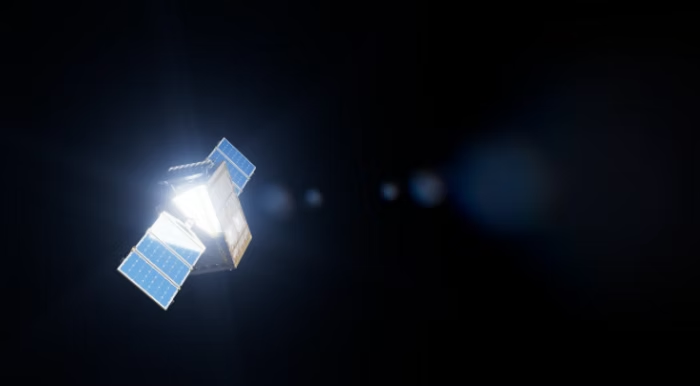
Two U.S. spacecrafts were launched to the Moon from Florida’s Cape Canaveral on February 27, 2025. These spacecraft are designed to search for water scientists believe existed on the lunar south pole. The spacecraft’s discovery demonstrates huge ramifications for NASA’s upcoming plan to send astronauts to this part of the moon in coming years.
Water on the Moon could be a critical resource for future Moon explorations, possibly being used to supply raw ingredients for rocket fuel at moon bases. Since 2009, scientists have believed that this kind of resource existed, but are interested in knowing where exactly the water is located, what form it is in, its quantity and more.
The first aircraft, named Lunar Trailblazer, will orbit the moon and produce high-resolution maps of its water. Observations gathered from this mission will also contribute to the scientific understanding of water cycles on airless bodies throughout space.
The second aircraft, Athena, is headed off to the Moms Mouton region of the moon. This craft is expected to land on Mons Mouton on March 6, just 100 miles from the moon’s south pole, reaching closer than any spacecraft before has attempted. Athena will search for water in this region in several ways, including using NASA’s new invention, Trident, an ice-mining drill, to assist in its mission. The spacecraft will drill and analyze the soil, providing “critical data on how lunar soils behave,” states Jackie Quinn, the drill’s project manager at NASA’s Kennedy Space Center.
This mission not only marks a huge advancement in space exploration, but serves as an exciting adventure to be monitored as well– with its discoveries holding potential to change our view of the solar system and our world as a whole.