Artificial Intelligence Takes the Field as Automated Coaching Transforms Local Sports
Artificial intelligence has become more commonly seen in athletic training; local sports are using AI tools to identify areas of improvement, prevent injuries, and analyze players’ data. Some people see the use of technology as a resource, but others fear it would replace the jobs of coaches.
AI has impacted athletes by improving their ability to train and perform well. According to a study by “Engineering Applications of Artificial Intelligence”, AI has been helping coaches enhance athlete training and create personal routines by looking at the player’s stats. AI systems are able to identify weaknesses and suggest ways for athletes to train efficiently.
A significant advantage of AI in sports is its potential to reduce injuries. AI systems know if a player is overworked by looking at the patterns that may indicate an increased risk of getting hurt. By monitoring recovery times and a player’s movement, athletes are able to make adjustments before developing a serious injury.
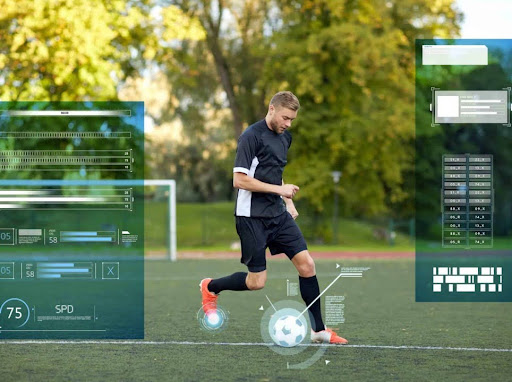
Many programs also use wearable technology and video analysis software to collect real-time data during competitions or practices. AI is able to recognize the movements and flaws that a coach might miss even if they were extremely focused. These tools provide athletes with support using scientific data for improvement and helping coaches make informed decisions. Will AI Replace Coaches? Many athletic programs are implementing tools into everyday training, but now everyone feels the same about using it. Some fear it will take over their jobs, while others see it as an opportunity to improve.
As AI is used more often, it is believed that it will change coaching but not replace it. ScienceDirect states, “artificial intelligence tools will augment the strengths" instead of replacing them. AI systems are able to collect data faster and more efficiently, but they can not provide the leadership and motivation coaches give.
However, concerns remain about the role of automation in athletics. The study warns about privacy concerns and bias from AI being implemented in training. Some coaches also fear that overreliance on technology could reduce the experience of actual training and human judgement in a player’s development.
Others argue that coaching is built primarily on relationships and not data. While AI is able to recognize patterns and recommend better routines, it can not fully replace mentorship, communication, and trust athletes create with coaches over time. As athletic programs continue to experiment with AI, many believe the most effective solution is combining technology with traditional coaches.