One Man's Blood May Create a Universal Antivenom
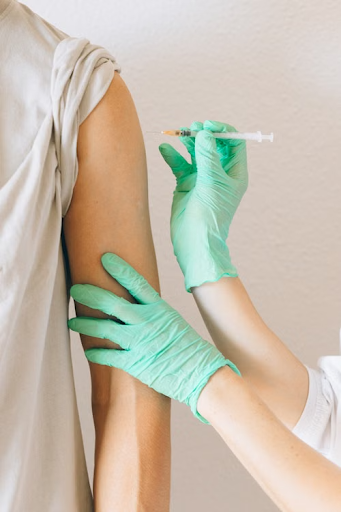
Tim Friede has endured over two hundred snakebites and hundreds more venom injections that should have killed an average person. He started with low doses of the toxins and slowly built up tolerance to sustaining real bites. Friede began with his experiments in order to protect himself from accidental snakebites, and he later realized his experiments could save people’s lives worldwide.
Currently, scientists have developed an experimental antidote from his antibodies. They tested the experimental antidote during several trials with mice, finding that it fully or partially neutralized venom from nineteen deadly snake species. Snakebites are considered Neglected Tropical Diseases (NTDS), a variety of conditions mostly found among impoverished and poor communities in tropical areas. NTDS receive little attention and funding from global agencies that fund public health, even when many snake bites are fatal.
Nonfatal snake bites still prove to have permanently disabling effects, such as amputation or paralysis. “They might lose a limb, they might lose function in a limb, they might end up having to have huge surgeries, skin grafts,” said Stuart Ainsworth, a molecular biologist and snakebite researcher at the University of Liverpool in England. To add on, snakebites are difficult to treat as medical staff need to know what kind of snake caused the bite, or else they will not know which antivenom to treat the bite with.
Glanville reached out to Friede as he presented an unpassable opportunity to find antibodies that could develop an immune defense to target entire classes of toxins. The team of researchers designed their antivenom cocktail on nineteen of the WHO’s deadliest snakes. They isolated Friede’s antibodies and picked two antibodies that worked against thirteen of the snakes, then added a synthetic antivenom into the cocktail. This made the solution successful against all the venoms tested.
The experimental antivenom is still not ready for human testing, but the team is ready to begin testing their antivenom on animals brought to veterinary clinics for snakebites.