American Red Cross declares national blood emergency as donations plunge
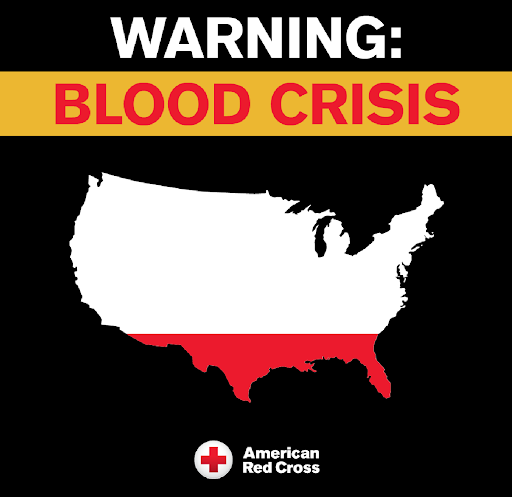
The American Red Cross has announced a blood emergency in the nation as there have been steep drops in blood donations in the summer months. The nation’s hospitals are struggling with dangerously low levels of blood supply.
Normally, the amount of donated blood slows when the summer season comes about because schools are out and potential blood donors go traveling. The blood shortage this year has been worrying because there is no blood for use in emergencies such as surgeries, trauma and cancer.
As the American Red Cross says, someone in the US is in need of blood or platelets every two seconds. As compared to other medical supplies, blood is not produced artificially; therefore, the only source of blood is voluntary donation from volunteers. Red blood cells have a life of only 42 days, whereas platelets have just five days.
According to health authorities, the shortage has led to the need to keep a strict check on inventory and make sure blood reaches the patients with the most medical urgencies first. While emergency care continues despite the shortage, extended periods of it lead to a postponement of elective surgeries and affect a hospital’s capacity to respond quickly to any emergency situation or disaster.
Approximately 40% of the blood used in the country passes through the collection system provided by the Red Cross. Health officials are calling on potential donors of any blood type to make appointments, but stress that Type O negative blood is particularly important as it can be used in almost all situations of emergency care where there is not enough time to identify the patient’s blood type.
Health professionals say that a steady supply of blood is possible due to regular blood donations and not during times of emergency. Shortages during summer have become frequent in recent years because of travel, fewer blood drives held in schools and extremely hot weather.
Experts also point out that an aging population and improvements in medicine have created an increase in the need for blood products. Individuals receiving organ transplants, cancer therapies, complex surgeries, and other treatments related to blood problems might need several transfusions, adding more pressure to a blood supply that is already scarce.
Despite the fact that blood banks continue to collect blood donations across the country, health authorities suggest that it would take some time before they restore their reserves. They recommend healthy people who meet certain criteria to become regular donors.
Why Summer Creates Blood Shortages
Summer is traditionally one of the most challenging times to obtain blood. There are large blood donation campaigns organized in high schools and colleges that make up a considerable portion of total donations. These are practically absent as soon as the academic year ends; vacations and hot weather may affect donor turnout, and at the same time raise the risk of accidents requiring blood transfusions.
Unlike other drugs or medical devices, blood products have an expiration date. Consequently, there should always be a process of collecting new blood donations to replace the old stocks of blood supplies.
Hospitals Continue Monitoring Supply Levels
Various hospitals nationwide are closely cooperating with local blood centers to manage their inventory levels without interrupting the treatment of emergencies. Public health authorities believe that the current shortage demonstrates the importance of maintaining a steady supply of donors, not making emergency appeals when the supply runs out.
While the officials are confident about the recovery in donations, they emphasize that it takes time to rebuild inventory levels.