Novel Methods Developed for Alzheimer’s and Parkinson’s
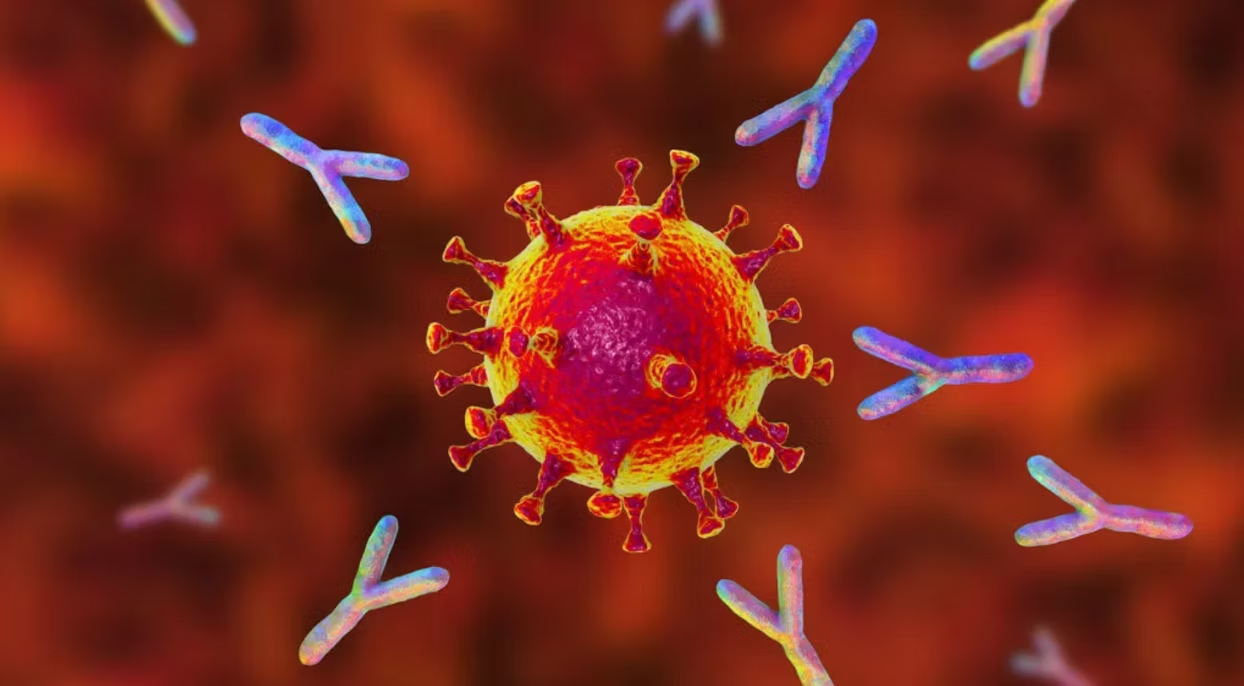
At the 69th Biophysical Society Annual Meeting, held from February 15 - 19, 2025 in Los Angeles, researchers presented their developed revolutionizing novel methods to combat diseases such as Parkinson’s and Alzheimer’s.
In diseases like Alzheimer’s and Parkinson’s, specific proteins misfold and clump together, forming toxins that aggravate and damage brain cells. The novel method researchers developed aims to generate aggregate-specific antibodies as specific probes or modulators of the aggregation process.
The new platform integrates a computational design and directed evolution to develop new antibodies, which are then screened for their ability to bind to target aggregates or inhibit aggregation process. This method is proven to be more effective than that of the traditional methods as oligomers are difficult to study due to their fleeting nature.
“Our platform represents a significant advance in our ability to study protein self-assembly. By efficiently generating nanobodies against these challenging targets, we can now delve deeper into the mechanisms underlying these processes and their role in disease," said Francesco Aprile, PhD, Associate Professor in Biological Chemistry, From Imperial College London.