Most Radioactive Places In the World
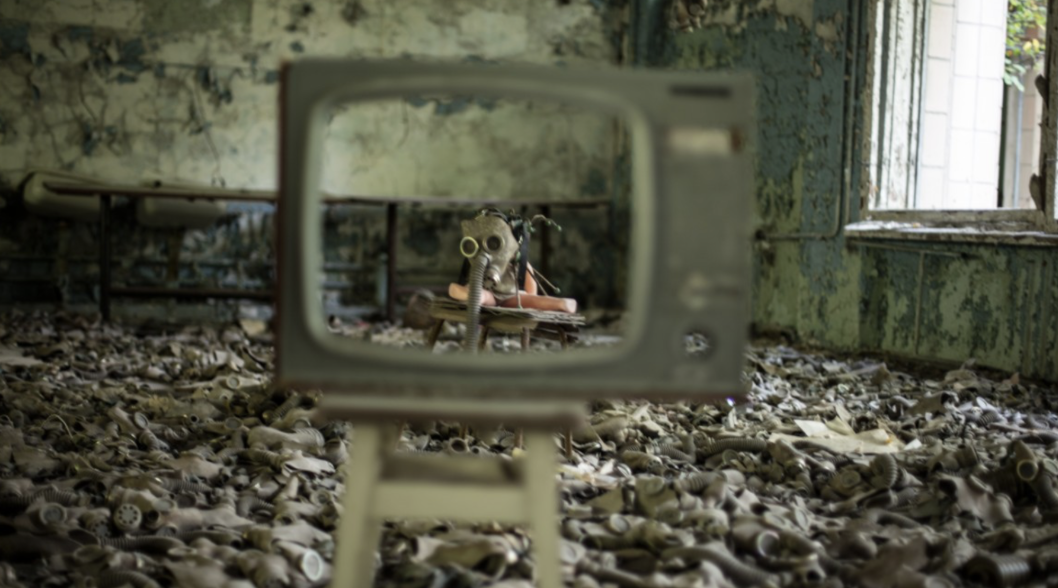
Nuclear explosions. Witnessing one would likely put a timer on your lifespan due to your body rapidly shutting down from exposure alone. Imagine there’s one near your town. Naturally, you would want to be far away from them, so you along with the rest of the population steer far away from it. In fact, being 15-20 miles away would still put you at risk of injury. Despite evacuating the large, deadly expanse, the area is still hazardous.
What happens to these once lively places, now void of human life for, depending on the severity, the next thousand years? What remains and where are these places? While we can’t definitely rank them, this article includes some of the most radioactive we know of.
First on the list is Chernobyl, Ukraine. In a maintenance corridor that was near Reactor 4, the famous reactor that caused the Chernobyl tragedy, there is a mass of melted core composed of molten concrete, sand, and material. This is called the Elephant’s Foot. According to Chornobyl Family’s video, the Elephant’s Foot was created two days after the Chernobyl disaster, yet still remains very radioactive. The name is derived from a resemblance of an elephant’s foot, only deadly to anyone near it.
The second place known for being radioactive is Fukushima, Japan. The Fukushima-Daiichi Nuclear Power Plant was where the disaster occurred. It happened when an earthquake made the reactors shut down and malfunction. Additionally, a tsunami flooded emergency generators. It occurred in 2011 and is considered to be the worst nuclear meltdown since Chernobyl. The core is still hot and though not as bad as Chernobyl, still has surrounding areas deadly to be around. Being near the water, it is also said to have contaminated some sea life.
The third and final in the ranking is The Polygon in Kazakhstan. According to a Lancs Industries article, the Soviet Union used it to test nuclear weapons during the cold war. Unlike the previous disasters, this nuclear wasteland was created without power plant equipment going wrong. Though it should’ve been evacuated, 500,000 people are said to have lived there since the testing. 200,000 are speculated to still be suffering from radiation sickness, but fortunately the area has since been abandoned.