Global Disruptions as Airbus Recalls Over Half of A320 Fleet for Software Fix
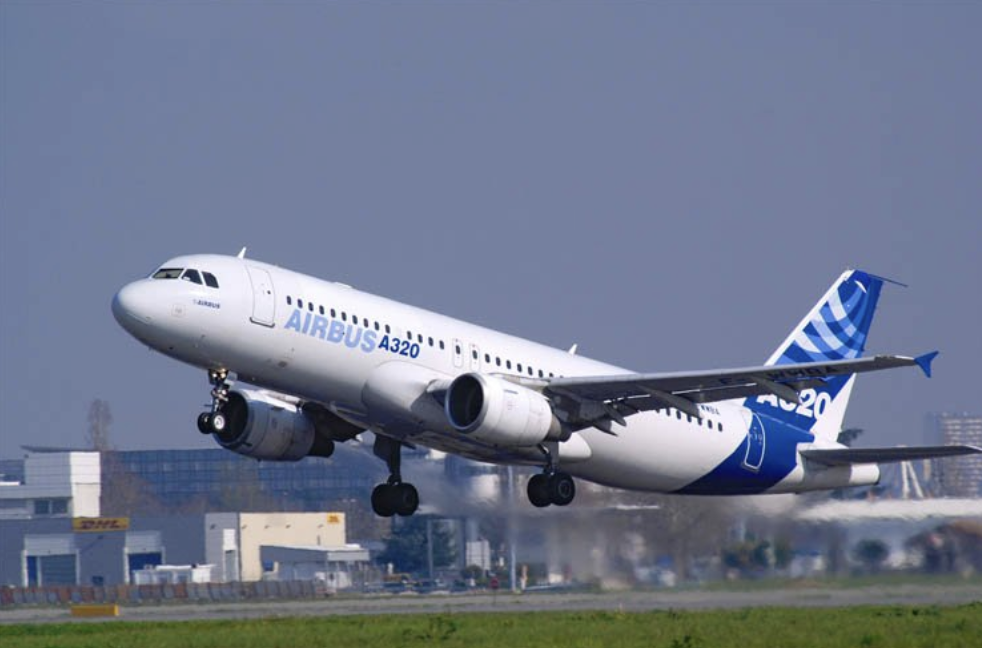
Airbus announced on Friday that it is requiring immediate repairs on about 6,000 A320-family aircraft, more than half of all A320s flying worldwide. The recall, one of the largest the company has ever issued, arrives during the year’s busiest U.S. travel weekend. When Airbus sent the notice to over 350 airline operators, roughly 3,000 A320s were airborne.
The fix mainly involves rolling back to an older software version. It is straightforward but must be completed before the aircraft can operate again, except for ferry flights to maintenance facilities. Airlines across the U.S., South America, Europe, India, and New Zealand warned that the recall may cause delays or cancellations.
American Airlines, the biggest A320 operator, said that 340 of its 480 A320-family jets need the update. The carrier expects most to be repaired by Saturday, as each aircraft requires around two hours of work. Other airlines—such as Lufthansa, IndiGo, and easyJet—also planned short groundings to complete the update. Avianca reported that the recall affects over 70% of its fleet and temporarily stopped selling tickets for travel through December 8.
About 11,300 A320-family aircraft are in service, including 6,440 A320s. Four of the world’s ten largest operators are U.S. carriers: American, Delta, JetBlue, and United. Several major Chinese, European, and Indian airlines also rely heavily on these jets. Industry sources said two-thirds of the affected planes will face a brief grounding while the software is reverted.
The timing is difficult because maintenance facilities are already overloaded. Many Airbus aircraft remain parked due to engine inspections and repair backlogs, made worse by staffing shortages. Analysts said that although the repair is quick, coordinating the work during peak demand will be challenging. Still, many airlines can complete the update between flights or overnight, and easyJet said its fleet has already been fixed.
A JetBlue incident led to the discovery of the issue. Investigators found that solar flares could corrupt data essential to flight-control systems. The triggering event occurred on an October 30 flight from Cancun to Newark, where a sudden altitude drop injured several passengers. The aircraft diverted to Tampa after experiencing uncommanded pitch movement. The FAA began investigating, and Europe’s aviation regulator issued an emergency directive requiring the fix.
Airbus said the repair affects 6,000 aircraft in total. For over 1,000 of them, hardware changes may also be required, which could extend groundings. The recall caused global disruptions: a Finnair flight was delayed while the crew checked software versions, Air New Zealand warned of cancellations, Air France canceled 35 flights, and Mexico’s Volaris expected up to 72 hours of delays.
The A320, launched in 1984, was the first major jet to use fly-by-wire controls. Its main competitor, the Boeing 737 MAX, previously faced a worldwide grounding after two deadly crashes linked to faulty flight-control software. Demand for both single-aisle jets has surged, especially in Asia, driving global air-travel growth.
According to Airbus’s bulletin, the issue stems from the ELAC system, which transmits the pilot’s side-stick inputs to the elevators that control pitch. The system is produced by Thales, which said the hardware meets Airbus's requirements and that the specific software involved is not under its responsibility.